
What Is Tire Load Rating? (2026): Plain-English Guide for Canadian Drivers
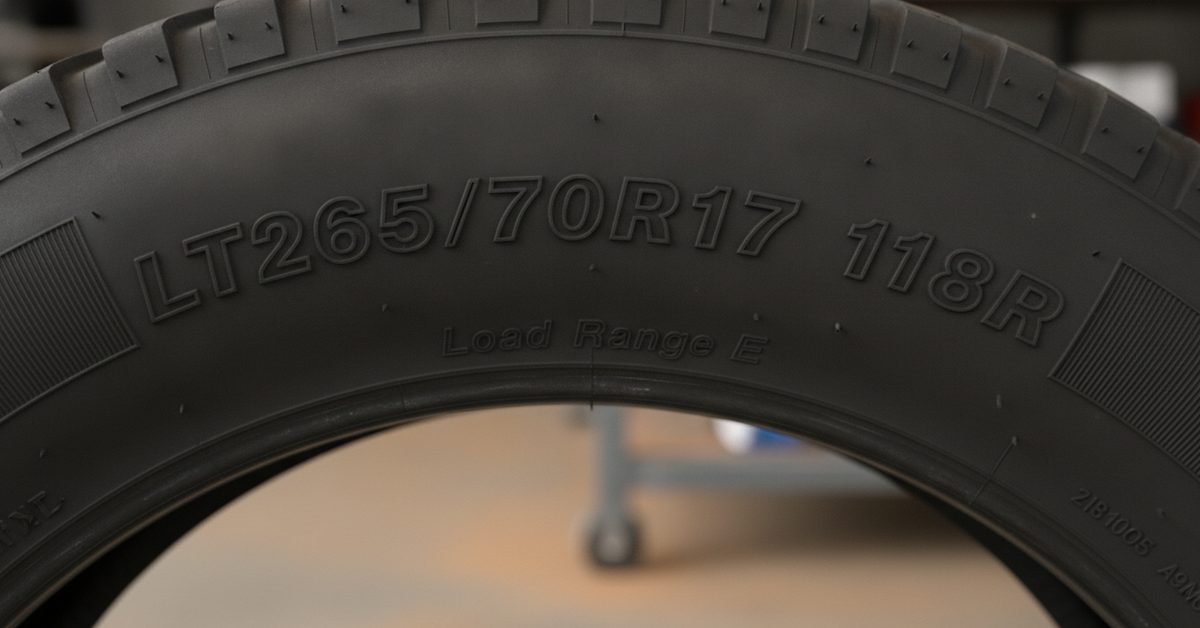
I've watched too many truck and SUV owners install the wrong tires because they didn't understand load rating. They look at the size — "Yeah, 265/70R17, that's what my truck needs" — and ignore the load index entirely.
That mistake can cost you in accelerated tire wear, poor handling under load, and in extreme cases, tire failure. Here's everything you need to know about tire load ratings in plain English.
Load Index vs. Load Range: Two Different Systems
These terms get conflated constantly, but they mean different things:
Load Index (The Number)
The load index is a two or three-digit number (ranging from 71 to 126 for passenger tires) that corresponds to a specific weight capacity in kilograms. It's the maximum weight a single tire can support at maximum inflation pressure.
Examples:
- Load Index 100 = 800 kg per tire
- Load Index 110 = 1,060 kg per tire
- Load Index 120 = 1,400 kg per tire
You multiply this by four (for four tires) to get your total vehicle weight capacity — though your actual vehicle capacity is limited by the lowest-rated component in the system.
Load Range (The Letter)
Load range is a letter designation used primarily on Light Truck (LT) tires: B, C, D, E, F, etc. It roughly correlates to the old "ply rating" system and indicates the tire's construction strength.
| Load Range | Ply Rating | Max Load (typical) |
|---|---|---|
| B | 4-ply | ~850 kg |
| C | 6-ply | ~1,000 kg |
| D | 8-ply | ~1,250 kg |
| E | 10-ply | ~1,500 kg |
| F | 12-ply | ~1,700 kg |
The key difference: Load index measures weight capacity. Load range measures construction strength and inflation pressure capacity.
Complete Load Index Chart
| Load Index | Max Load (kg) | Max Load (lbs) |
|---|---|---|
| 71 | 345 | 761 |
| 75 | 387 | 853 |
| 80 | 450 | 992 |
| 85 | 515 | 1,135 |
| 90 | 600 | 1,323 |
| 95 | 690 | 1,521 |
| 100 | 800 | 1,764 |
| 105 | 925 | 2,039 |
| 110 | 1,060 | 2,337 |
| 115 | 1,215 | 2,679 |
| 120 | 1,400 | 3,086 |
| 125 | 1,650 | 3,638 |
For a complete chart and how to read it on your tire sidewall, see the tire load ratings guide — this post expands on that foundation with more detail.
P-Metric vs. LT Tires: Why the Calculation Changes
This is where Canadian truck and SUV owners often get tripped up.
P-Metric Tires
Passenger car tires, designated with a "P" prefix (P265/70R17) or no prefix (265/70R17). These are designed for cars, crossovers, and light-duty SUVs.
LT Tires
Light Truck tires, designated with an "LT" prefix (LT265/70R17). These are built for pickup trucks, heavy SUVs, and commercial vehicles.
The critical difference: When you install an LT tire on a passenger vehicle application, you must reduce the rated load capacity by 10% to account for the different testing standards. Conversely, putting a P-metric tire on a truck that's specced for LT is potentially dangerous — you're under-rating the tire for the vehicle's weight.
Example:
- P-metric tire, Load Index 115 = 1,215 kg per tire
- LT tire, Load Index 115 = 1,215 kg per tire (but derated to ~1,094 kg for passenger application)
For a truck carrying heavy loads or towing, this distinction matters significantly.
What Happens If You Under-Rate Your Tires
Installing tires with insufficient load capacity for your vehicle creates several problems:
Accelerated Wear
Under-rated tires flex more under load. The sidewalls work harder, the tread squirms more, and the compound heats up. The result is faster wear, often uneven wear patterns.
Heat Buildup
Tires have a temperature rating for a reason. When you overload a tire, it generates more heat — especially at highway speeds. Heat is the enemy of tire longevity and safety.
Handling Issues
An under-rated tire feels squishy and unstable under load. The sidewalls don't have the stiffness to maintain shape, leading to vague steering and reduced confidence.
Insurance and Liability
If you're in an accident and investigators determine your tires were under-rated for your vehicle's weight, your insurance may deny coverage. This is a real risk.
Dual-Rear-Wheel Trucks: Special Consideration
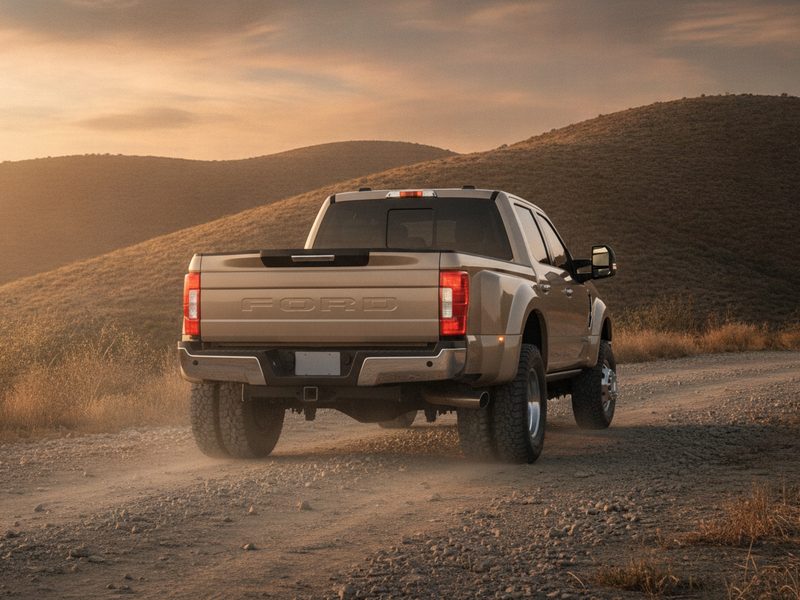
For dually trucks (F-350, RAM 3500, Silverado 3500), the load rating calculation doubles for the rear axle because there are two tires per side.
Example: A tire rated at 1,500 kg in a dual application provides 3,000 kg capacity per side, or 6,000 kg total for the rear axle. This is how heavy-duty trucks achieve their massive payload ratings.
How to Check Your Vehicle's Minimum Load Rating
The gold standard is your door placard — the sticker inside the driver's door jamb. It lists:
- OEM tire size
- Recommended inflation pressure
- Sometimes the minimum load index
If the placard specifies a load index, your replacement tires must meet or exceed that number. If it doesn't specify, you can calculate:
- Find your vehicle's GVWR (Gross Vehicle Weight Rating) — typically on the door placard or in the owner's manual
- Divide by 4 to get minimum load capacity per tire
- Find the load index that meets or exceeds that capacity
Example: Vehicle GVWR of 2,800 kg. Minimum per tire: 700 kg. Load Index 95 (690 kg) is borderline; Load Index 100 (800 kg) is the safer choice.
Payload Capacity vs. GVWR: Connecting Tire Load Rating to the Big Picture
Your tire load rating is one piece of a larger puzzle:
- GVWR (Gross Vehicle Weight Rating): Maximum total weight of vehicle including passengers, cargo, and fuel
- Payload Capacity: How much weight you can add to the vehicle (GVWR minus curb weight)
- GAWR (Gross Axle Weight Rating): Maximum weight per axle
Your tires must support the GAWR. If your front axle is rated for 1,500 kg and you have two tires, each tire needs at least 750 kg capacity (Load Index 98 or higher).
Common Mistake: Upsizing Without Checking Load Index
People upsize tires all the time — going from a 265/70R17 to a 275/70R17 for a slightly taller stance. But width and diameter aren't the only specs that matter.
Always check the load index when upsizing. A wider tire in the same load range doesn't automatically have higher load capacity. And if you're going to a lower-profile tire (smaller aspect ratio), the load capacity may actually decrease because there's less sidewall to support the weight.
Example: Some 35" off-road tires have surprisingly low load indexes because they're designed for lighter Jeeps, not heavy pickup trucks.
XL Tires: Extra Load Capacity in Passenger Sizes
Some passenger car tires carry an XL (Extra Load) designation. These tires are reinforced to handle higher inflation pressures (typically 41–50 PSI vs. 35–36 PSI for standard) and higher loads.
XL tires are increasingly common as OEM fitments on European vehicles and some SUVs. If your vehicle came with XL tires, replace with XL tires — using a standard tire at standard pressure under-rates your load capacity.
For more on XL tires, see the XL tires explained guide.
The Bottom Line
Tire load rating isn't just a number to ignore. It's a safety specification that ensures your tires can handle the weight of your vehicle under all driving conditions.
For Canadian truck and SUV owners especially: check your door placard, understand the difference between P-metric and LT, and don't under-spec your tires to save a few dollars. The cost of failure far exceeds the cost of proper tires.
Brian Barber
Automotive experts at Autrex providing in-depth guides on tires, wheels, and vehicle maintenance to help you make informed decisions.
Related Articles

Winter Tires in Québec 2026: Law, Dates and Buyer's Guide
Québec winter tire law for 2026: mandatory December 1 to March 15, the 3PMSF symbol, studded vs studless, sizing and when to install. Plus in-stock winter tires.

Fall Tire Prep in Canada (2026): When to Get Winter Tires Ready
Fall tire prep guide: when to book winter tire appointments, inspect stored tires, and plan your budget. Get ahead before the October rush.

Summer Car Prep Checklist (2026): Post-Winter Tires, Brakes & Suspension
Summer car prep checklist: post-winter tire inspection, brake check, suspension inspection, and road trip readiness for Canadian drivers.