
How to Choose Winter Tires in Canada: The Complete Buyer's Guide
If you drive in Canada from November through April, you need winter tires. Not "should consider." Need.
I say this as someone who's been in the tire business long enough to have seen what happens when people try to get through an Ontario winter on all-season tires. It doesn't go well.
Here's everything you need to know to choose the right winter tires for your vehicle, your budget, and your specific winter conditions.
Why All-Season Tires Fail Below 7°C
Let's start with the science. All-season tires use a rubber compound designed to perform across a wide temperature range — roughly -10°C to +40°C. Below that threshold, the compound hardens.
When rubber hardens, it loses grip. An all-season tire at -15°C has less traction on dry pavement than a winter tire at the same temperature. Add snow, slush, or ice, and the performance gap becomes a chasm.
7°C is the critical threshold. When temperatures consistently drop below 7°C, winter tire compounds — which use more silica and different polymers — remain pliable and maintain grip. All-season compounds don't.
This isn't marketing. It's material science.
The 3PMSF Symbol: What It Means and Why It Matters
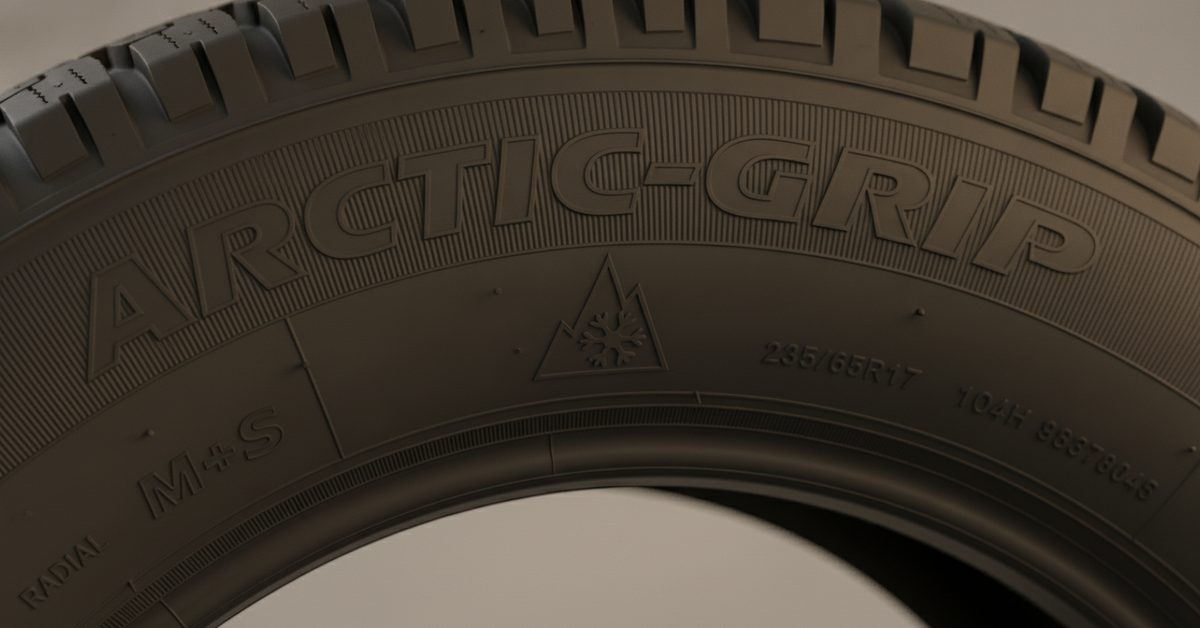
The Three-Peak Mountain Snowflake (3PMSF) symbol is the only winter performance certification that matters. It looks like a mountain with a snowflake inside.
Tires with this symbol have passed standardized winter traction testing. They demonstrate a minimum level of performance in snow conditions. The test is administered by third parties — manufacturers can't just slap the symbol on any tire they want.
M+S (Mud and Snow) is not the same. The M+S marking is a tread pattern designation, not a performance certification. An M+S tire may have some capability in light snow, but it hasn't been tested and certified for winter performance.
When shopping for winter tires in Canada, look for the 3PMSF symbol. Period.
If you are considering an all-weather tire instead, the Fortune Climaflex 4S and Tercelo Croseason 4S guides show what the data says and what we have not verified.
Studded vs. Studless Winter Tires
Studded Tires
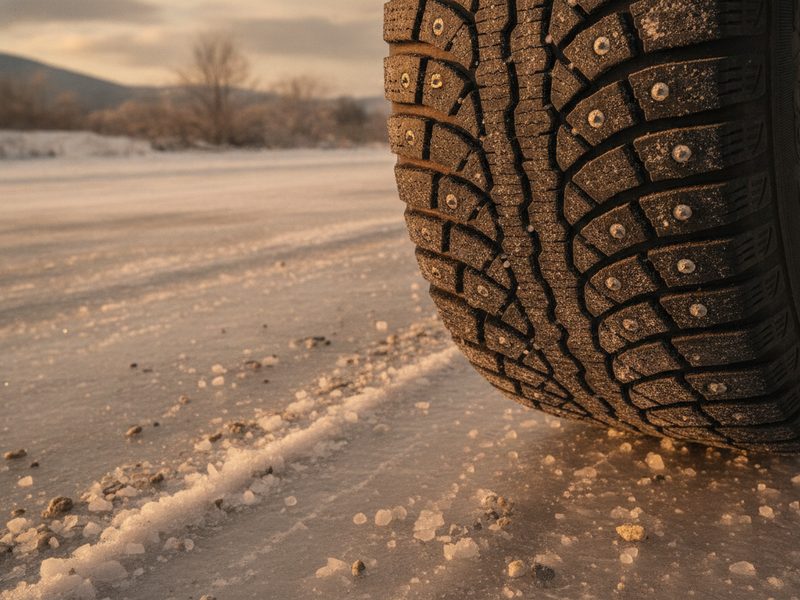
Studded tires have small metal studs embedded in the tread blocks. These studs provide enhanced grip on ice by biting into the surface.
Pros:
- Superior ice traction
- Better performance on hard-packed snow
Cons:
- Noisy on dry pavement
- Damage road surfaces (why they're restricted in some areas)
- Reduced dry pavement grip
- Studs can be lost over time
Legal Status by Province
| Province | Studded Tire Status |
|---|---|
| Alberta | Legal (no restrictions) |
| British Columbia | Legal (some highway restrictions) |
| Manitoba | Legal (October 1 – April 30) |
| New Brunswick | Legal (October 15 – May 1) |
| Newfoundland and Labrador | Legal (November 1 – May 31) |
| Nova Scotia | Legal (October 15 – May 15) |
| Ontario | Legal (October 1 – April 30) |
| Prince Edward Island | Legal (October 1 – May 31) |
| Quebec | Legal (October 15 – May 1) |
| Saskatchewan | Legal (no restrictions) |
Studless Tires
Modern studless winter tires use advanced compounds and tread designs to achieve impressive winter performance without metal studs. They rely on:
- Siping: Thousands of tiny slits in the tread blocks that create biting edges
- Biting edges: The sharp edges of tread blocks that grip snow
- Self-cleaning grooves: Channels that eject slush so the tire maintains contact
For most Canadian drivers, a quality studless winter tire with the 3PMSF symbol is the right choice. They're quieter, don't damage roads, and provide excellent winter performance.
Sizing: OEM Size vs. Winter Downsizing
Here's a strategy that saves money and improves winter performance: downsizing your winter wheel setup.
The Concept
Instead of running your OEM wheel size in winter (often 18", 19", or 20" on modern vehicles), you mount winter tires on a smaller diameter wheel — typically 16" or 17".
Example:
- Summer: 235/45R18 (18" wheel, low profile)
- Winter: 205/60R16 (16" wheel, taller sidewall)
The Benefits
- Better snow performance: A narrower tire (205 vs. 235 in the example) cuts through snow rather than floating on top
- More tire options: Smaller sizes have better availability and lower prices
- More sidewall: The taller sidewall absorbs impacts better — important for pothole season
- Cheaper wheels: 16" steel wheels cost significantly less than 18" alloys
- Protects your nice wheels: Your summer alloys stay clean and damage-free
See the winter wheel downsizing guide for the complete strategy.
Dedicated Winter Wheels: The Investment That Pays Off
Running winter tires on your summer rims means paying for mounting and balancing twice a year — $80–$120 each time. Over five years, that's $800–$1,200 in mounting fees alone.
A dedicated set of steel wheels for winter costs $200–$400. They pay for themselves in 2–3 years, and you avoid the wear and tear of seasonal tire mounting.
Steel wheels are also more durable in winter conditions. They bend rather than crack when you hit a pothole, and they're less vulnerable to salt corrosion than alloy wheels.
Tread Patterns: What to Look For
Winter tire tread patterns are designed for specific conditions:
Siping
Those tiny slits in the tread blocks create thousands of biting edges that grip snow and ice. More siping = better winter grip, though it can reduce dry pavement handling slightly.
Biting Edges
The sharp edges of tread blocks that cut into snow. Winter tires maintain these edges even as the tire wears — important because winter tires need replacement at 4/32" tread depth, not the 2/32" legal minimum.
Self-Cleaning Grooves
Wide channels between tread blocks that eject slush and snow. If the grooves pack with snow, the tire loses grip. Good winter tires have aggressive groove patterns that stay clear.
Budget vs. Mid-Range vs. Premium Winter Tires
Budget Tier: Haida HD617
The Haida HD617 is the winter tire we sell most of. At roughly $62/tire for common sizes, a set of four is under $250.
The HD617 carries the 3PMSF snowflake symbol. It's a legitimate winter tire, not an all-season pretending to be a winter tire. It performs in snow, slush, and cold temperatures.
What it doesn't do: match premium brands in extreme ice conditions or high-speed stability. For typical Ontario winter driving — GTA commuting, occasional snow, cold temperatures — it's perfectly adequate.
Read the full HD617 winter tire review.
Mid-Range Tier
Hankook Winter i'cept, Nokian Hakkapeliitta R3, and General AltiMAX Arctic offer noticeable improvements over budget options:
- Better ice traction
- Quieter on dry pavement
- Longer tread life
- Better high-speed stability
At $100–$140 per tire, they're a meaningful upgrade for drivers who see serious winter conditions.
Premium Tier
Michelin X-Ice Snow, Nokian Hakkapeliitta R5, and Bridgestone Blizzak are the benchmark. They offer:
- Exceptional ice grip
- Superior handling on dry cold pavement
- Longest tread life
- Best overall refinement
At $150–$200+ per tire, they're expensive. But for drivers in Northern Ontario, Quebec, or anywhere with severe winters, the performance premium may be worth it.
When to Put On and Take Off Winter Tires
Put on: When temperatures consistently drop below 7°C, typically late October to mid-November in Ontario.
Take off: When temperatures consistently rise above 7°C, typically mid-April to early May.
Don't rush the spring removal. An early warm spell doesn't mean winter is over. If you take off winter tires in March and it snows in April, you're in trouble. Wait for consistent warmth.
See the spring tire changeover checklist for the complete seasonal swap process.
The Bottom Line
Choosing winter tires in Canada comes down to:
- Get the 3PMSF symbol — it's the only certification that matters
- Consider downsizing — smaller wheels improve winter performance and save money
- Invest in dedicated winter wheels — they pay for themselves quickly
- Choose your tier based on conditions — budget tires work for mild winters, premium for severe
- Time the changeover correctly — 7°C is the magic number
Winter tires aren't optional in Canada. They're the difference between confident winter driving and white-knuckle anxiety every time it snows.
Shop Winter Tires at Autrex → | Browse Steel Winter Wheels →
Brian Barber
Automotive experts at Autrex providing in-depth guides on tires, wheels, and vehicle maintenance to help you make informed decisions.
Related Articles
Winter Tires in Québec 2026: Law, Dates and Buyer's Guide
Québec winter tire law for 2026: mandatory December 1 to March 15, the 3PMSF symbol, studded vs studless, sizing and when to install. Plus in-stock winter tires.
Fall Tire Prep in Canada (2026): When to Get Winter Tires Ready
Fall tire prep guide: when to book winter tire appointments, inspect stored tires, and plan your budget. Get ahead before the October rush.

Summer Car Prep Checklist (2026): Post-Winter Tires, Brakes & Suspension
Summer car prep checklist: post-winter tire inspection, brake check, suspension inspection, and road trip readiness for Canadian drivers.