
Winter Tires in Québec 2026: Law, Dates and Buyer's Guide
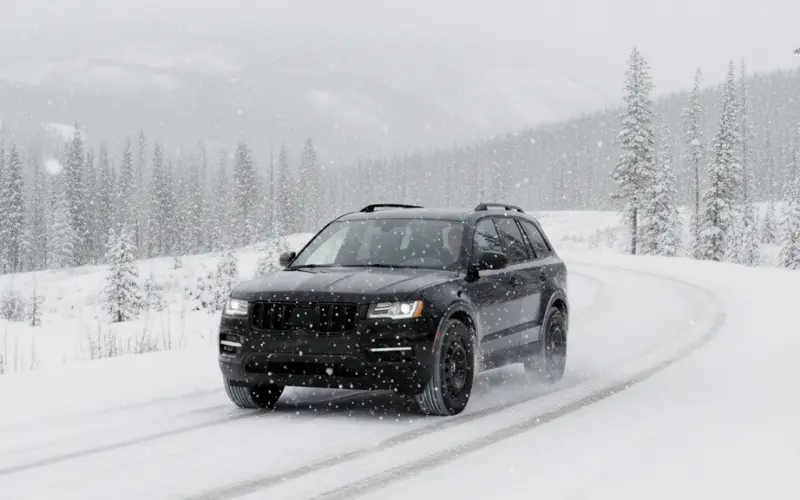
Short answer: in Québec, winter tires are mandatory from December 1 to March 15 on passenger vehicles registered in the province. The tires must carry the three-peak mountain snowflake (3PMSF) symbol or be studded. An "M+S" marking on its own does not qualify. The fine is $200 to $300, plus costs.
Québec winter tire law at a glance
| Rule | What it says |
|---|---|
| Mandatory period | December 1 to March 15 (inclusive) |
| Who is covered | Motor vehicles registered in Québec, including rental vehicles. Heavy vehicles, tool vehicles and farm machinery are excluded |
| Accepted tires | Tires bearing the 3PMSF pictogram, or studded tires |
| Studded tires allowed | October 15 to May 1 for passenger vehicles, taxis and commercial vehicles under 3,000 kg |
| Fine | $200 to $300, plus costs |
| Out-of-province plates | The requirement does not apply to vehicles registered outside Québec |
These details come from the Québec government's winter tire requirements page and the SAAQ. Rules can change, so confirm against those pages before you buy.
3PMSF vs M+S: which marking counts?
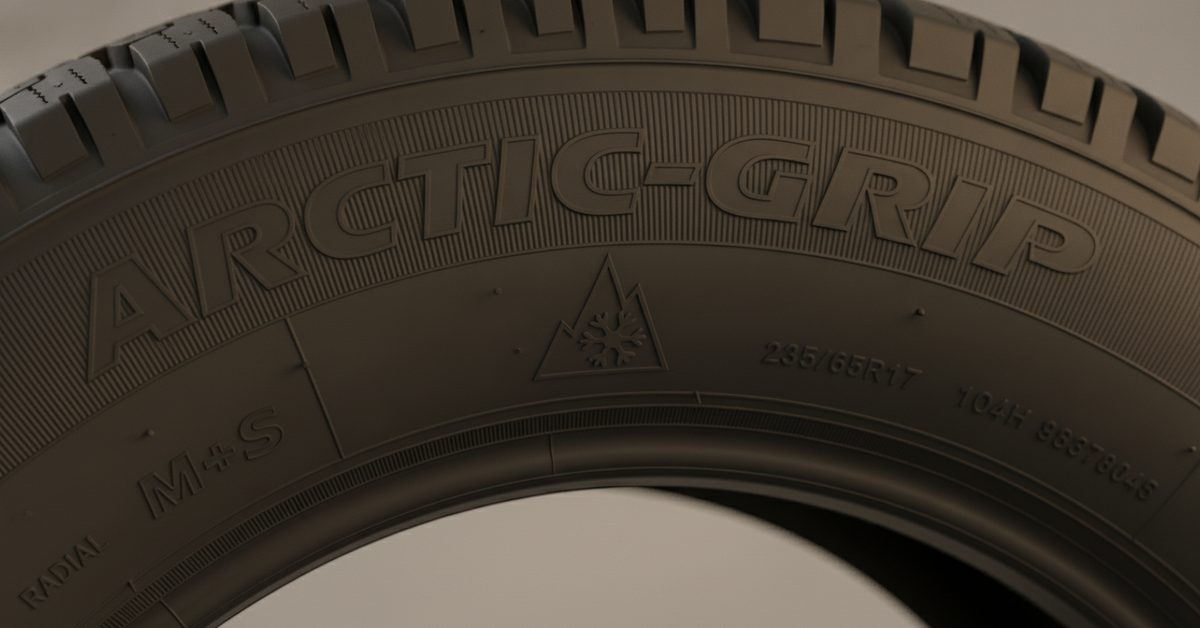
Look on the sidewall for a small mountain with a snowflake inside it. That is the 3PMSF symbol, and it is what the law asks for. "M+S" (mud and snow) is a manufacturer's self-declaration about tread design, not a winter performance test. Many all-season tires carry M+S only, and they do not meet the Québec requirement.
Some all-weather tires do carry the 3PMSF symbol and therefore qualify. Always check the product page or the sidewall rather than assuming from the name. Our how to choose winter tires guide covers the symbol in more detail.
Two all-weather lines we sell are covered in our Fortune Climaflex 4S and Tercelo Croseason 4S guides. Each explains where its 3PMSF information comes from, and why you should confirm the symbol for your size.
Studded vs studless winter tires
- Studless winter tires use a soft compound and dense siping for grip on snow, slush and cold pavement. They are quieter, and they are the right choice for most city and highway driving.
- Studded winter tires add metal studs that bite into ice. They help most on icy rural roads and in freezing-rain conditions. They are louder on dry pavement and are only legal from October 15 to May 1.
- Studdable tires are built with stud holes so studs can be installed later. A studdable tire without studs is still a studless winter tire.
If most of your driving is plowed and salted roads, studless is the practical pick. If you regularly drive on glare ice, studs are worth considering.
Getting the size right
- Check the tire placard on the driver's door jamb or your owner's manual for the factory size, for example 225/65R17.
- Buy all four tires in the same size and the same model. Mixing tires on one vehicle affects handling.
- If you want a separate winter set on its own wheels, many drivers choose a smaller wheel diameter with a taller sidewall. See downsizing winter wheels and our steel wheels for winter guide.
- If your vehicle has a tire pressure monitoring system, a separate set of wheels needs its own sensors. See the TPMS guide.
Not sure how to read a size? Use how to read tire specs. Sizes shoppers search for often on our site include 225/65R17 and 215/55R17; you can browse every size from the winter tire page.
When to install winter tires
The law sets the date you must be compliant, not the date to install. Shops get busy in November, so book early. A common rule of thumb is to switch once daily temperatures stay around 7°C, because the winter compound grips better than an all-season in the cold. Remove them in spring once temperatures are consistently above that. Our spring changeover checklist walks through it.
In-stock winter tires
Looking for a value option? See the Haida winter tire lineup and our Haida HD617 review.
Frequently asked questions
When are winter tires mandatory in Québec?
From December 1 to March 15, inclusive, for passenger vehicles registered in Québec.
Are all-season tires legal in winter in Québec?
Only if they carry the 3PMSF symbol. Standard all-season tires marked M+S only do not meet the requirement.
Are studded tires legal in Québec?
Yes, on passenger vehicles from October 15 to May 1.
Do I need winter tires if my car is registered in Ontario?
The Québec requirement applies to vehicles registered in Québec, and the government page states it does not apply to vehicles registered elsewhere. Winter tires are still a safety decision for any winter drive.
What is the fine for no winter tires in Québec?
$200 to $300, plus costs, according to the Québec government.
Brian Barber
Automotive experts at Autrex providing in-depth guides on tires, wheels, and vehicle maintenance to help you make informed decisions.
Related Articles
How to Choose Winter Tires in Canada: The Complete Buyer's Guide
How to choose winter tires in Canada: 3PMSF certification, studded vs studless, sizing down, and the 7°C rule. Complete buyer's guide for 2026.
Haida HD617 Winter Tire Review 2026: Is It Good in Canada?
Haida HD617 winter tire review: 3PMSF-rated, who it suits, how it compares with premium winters on ice, and which sizes are in stock.

Benefits of Downsizing Winter Wheels and Tires with Steel Wheels
Learn why downsizing your winter wheels and pairing them with steel rims improves traction, handling, and saves money in snow and ice.