
Wheel Offset Calculator & Fitment Guide
Compare wheel and tire setups to see how changes in offset, width, and tire size affect fitment, clearances, and ride.
Select your vehicle to see factory tire and wheel specifications
Example: 17x8 ET+35 with 225/45R17 tire
Example: 17x8 ET+35 with 225/45R17 tire
Enter both wheel setups to see a fitment comparison
How Wheel Offset Works
Wheel offset determines where your wheel sits relative to the hub mounting surface and fender. Understanding offset is crucial when upgrading wheels to ensure proper fitment without rubbing or clearance issues.
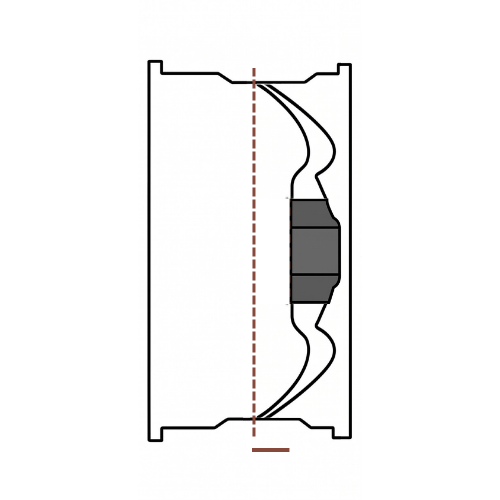
Mounting surface is close to the face of the wheel, causes wheel to be tucked in closer to the suspension
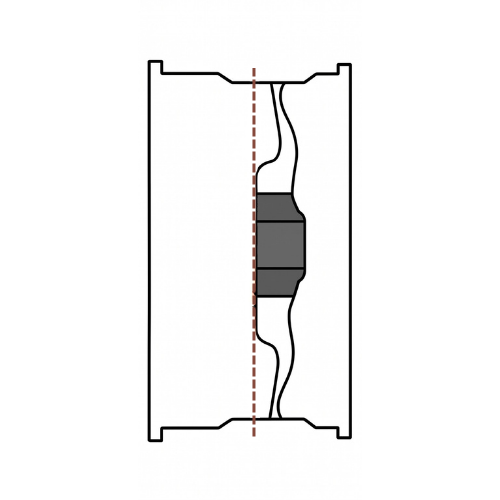
Mounting surface is centered in the wheel
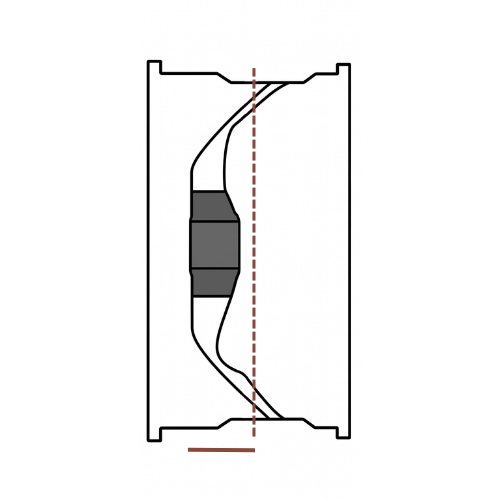
Mounting surface is tucked back closer to inside edge of wheel, causing more poke
Wheel Offset, Backspacing & Width Explained
Offset is the distance in millimeters from the wheel's hub mounting surface to the centerline of the wheel. It's often marked as "ET" (Einpresstiefe, German for "insertion depth") followed by a number on the back of the wheel.
Offset Ranges by Vehicle Type:
- +35 to +50 - Front-wheel drive sedans (Honda, Toyota)
- +25 to +45 - Rear-wheel drive sports cars (BMW, Mustang)
- +15 to +35 - Trucks and SUVs (F-150, 4Runner)
- -10 to +15 - Aggressive fitment, lifted trucks
Lower offset pushes the wheel outward (more poke). Higher offset pulls the wheel inward (more tuck).
Backspacing is the distance from the hub mounting surface to the inner lip of the wheel, measured in inches. It determines how far the wheel sits inward and affects clearance with suspension components.
Backspacing Formula:
Backspacing = (Wheel Width ÷ 2) + (Offset ÷ 25.4)Example: 8" wheel with +35mm offset = 4 + 1.38 = 5.38" backspacing
Higher backspacing means less inner clearance. When choosing aftermarket wheels, verify your inner clearance with suspension, brakes, and steering components.
Wheel width affects both inner and outer clearances. A wider wheel extends equally on both sides relative to the mounting point (assuming the same offset).
Width Change Effects:
- Each +1" width = ~12.7mm per side (both inner and outer)
- Wider wheels allow wider tires for more grip
- Check for brake caliper and fender clearance
Wider wheels allow for wider tires, improving grip. But they also reduce clearances on both the inner (suspension) and outer (fender) sides.
These terms describe how the wheel face aligns with the fender. Your fitment goal determines the offset and width combination you should choose.
Our calculator shows exactly how much poke or tuck your wheel setup will have compared to your original setup.
Wheel Offset & Width Change Effects on Fitment
Changing offset moves the wheel in or out relative to the fender. Here's how different changes affect your fitment:
| Change | Effect | Inner Clearance | Outer/Fender |
|---|---|---|---|
| Lower offset (-10mm) | Wheel moves outward | +10mm more clearance | -10mm less clearance |
| Higher offset (+10mm) | Wheel moves inward | -10mm less clearance | +10mm more clearance |
| Wider wheel (+1") | Extends both sides | -12.7mm less clearance | -12.7mm less clearance |
| Wider tire (+20mm) | Extends both sides | ~-10mm less clearance | ~-10mm less clearance |
Use our calculator to see the exact changes for your specific wheel and tire combination.
Wheel Fitment Safety: Fender, Suspension & Brake Clearance
Ensure at least 10mm clearance to fenders at full steering lock. Rubbing can damage tires and fenders, especially over bumps.
Check clearance at full compression. The wheel moves up into the fender well over bumps. Lowered vehicles need extra care.
Verify clearance with brake calipers, control arms, and struts. Insufficient backspacing can cause contact with suspension parts.
Wheel Bolt Patterns: 4x100, 5x114.3, 5x120 & More
| Bolt Pattern | Common Vehicles |
|---|---|
| 4x100 | Honda Civic (older), Mazda Miata, Mini Cooper |
| 5x100 | Subaru WRX/BRZ, Toyota 86, VW Golf (older) |
| 5x112 | Audi, VW (newer), Mercedes-Benz |
| 5x114.3 | Honda, Toyota, Nissan, Mazda, Ford Mustang |
| 5x120 | BMW, Chevy Camaro, Tesla Model S |
| 6x135 | Ford F-150, Lincoln Navigator |
| 6x139.7 | Toyota 4Runner, Chevy Silverado, GMC Sierra |
Always verify your exact bolt pattern before purchasing wheels. Hub bore (center hole diameter) must also match or use hub-centric rings.
Wheel Fitment Terms Glossary: Offset, Backspacing, Bolt Pattern & Hub Bore
Distance from hub mounting surface to wheel centerline, in millimeters.
Distance from hub surface to inner wheel lip, in inches.
Number of lugs and diameter of the circle they form.
Center hole diameter that fits over the hub. Must match or use rings.
When wheel face extends past the fender line.
The outer edge of a wheel that holds the tire bead.
Wheel Offset & Fitment Calculator FAQ
Wheel offset (ET, from the German "Einpresstiefe") is the distance in millimeters from the wheel's hub mounting surface to the centerline of the wheel. Positive offset means the mounting surface is toward the front (street side) of the wheel, while negative offset means it's toward the back.
Offset determines how far your wheels sit inward or outward from the hub. Lower (less positive or negative) offset pushes the wheel outward, creating "poke" beyond the fender. Higher (more positive) offset tucks the wheel inward. Changing offset affects both inner clearance (suspension) and outer clearance (fender).
Backspacing is the distance from the wheel's mounting surface to its inner lip, measured in inches. It determines how far the inner edge of the wheel sits from the hub. Backspacing can be calculated as: (wheel width / 2) + (offset in inches). More backspacing means more of the wheel is inboard.
Yes, but with limitations. A general rule is to stay within 5-10mm of your stock offset. Going too low can cause the wheel to hit the fender or require fender modifications. Going too high can cause the wheel to hit suspension components. Always verify clearances before installing wheels with different offsets.
Poke refers to when the wheel face extends beyond the fender line - the wheel "pokes out." Tuck is the opposite - the wheel sits inside the fender line. Stock fitment typically has slight tuck. Aftermarket enthusiasts often aim for flush fitment (wheel even with fender) or slight poke for an aggressive look.
Check three things: (1) Bolt pattern - must match your vehicle, (2) Center bore - must be equal to or larger than your hub, (3) Offset and width - use our calculator to compare with your current setup and verify clearances. When in doubt, consult with a wheel specialist.
Tire stretch occurs when you mount a tire on a wheel that is wider than the tire's designed width range. This creates a stretched appearance where the sidewall is pulled outward. Mild stretch can help achieve flush fitment, but aggressive stretch can compromise tire performance and safety.
Wider wheels allow for wider tires, which can improve grip and handling. However, wider wheels with the same offset will change your scrub radius and may affect steering feel. They can also increase weight and reduce fuel economy. The ideal width depends on your vehicle and intended use.
Wrong offset can cause: (1) Fender rubbing during turns or over bumps (offset too low), (2) Suspension component contact (offset too high), (3) Increased bearing wear from changed scrub radius, (4) Handling changes from altered wheel geometry. Always verify fitment before driving.
Wheel spacers effectively reduce your offset by pushing the wheel outward. A 20mm spacer on a wheel with ET+40 offset results in an effective offset of ET+20. Spacers can be used to achieve better fitment but require longer wheel studs or hub-centric designs for safety.
Bolt pattern (also called lug pattern) describes the number of lug holes and the diameter of the circle they form. Common patterns include 5x114.3 (5 lugs, 114.3mm circle diameter), 5x120, and 6x139.7. You can find your bolt pattern in your vehicle manual, by measuring between lug holes, or using our vehicle selector which automatically shows your pattern.
Hub bore (center bore) is the diameter of the center hole in the wheel that fits over your vehicle's hub. If the wheel's hub bore is larger than your hub, you need hub-centric rings to ensure the wheel is perfectly centered. A wheel with a smaller hub bore than your vehicle's hub will not fit at all.
Yes, this is called a staggered fitment and is common on rear-wheel drive performance vehicles. Wider rear wheels can improve traction and appearance. However, you cannot rotate staggered tires front-to-rear, which may lead to uneven wear. Always ensure your vehicle is designed to accept staggered widths.
Every tire has a recommended wheel width range. A 245mm tire might fit wheels from 7.5" to 9" wide. Mounting on a narrower wheel creates a "balloon" look with rounded sidewalls, while mounting on a wider wheel creates tire stretch. Stay within the tire manufacturer's recommended range for best performance and safety.
Scrub radius is the distance between where the steering axis meets the ground and the center of the tire contact patch. Changing offset alters scrub radius, which can affect steering feedback, torque steer, and brake feel. Significant offset changes can make steering feel different or cause the car to pull under braking.
Hub-centric rings are recommended when your aftermarket wheels have a larger center bore than your vehicle's hub. They ensure the wheel is perfectly centered on the hub, preventing vibration. While lug nuts technically center the wheel, hub-centric rings provide more precise centering and reduce stress on the studs.
Flush fitment means the wheel face aligns perfectly with the fender edge. To achieve it, calculate your current wheel face position relative to the fender, then choose a wheel width and offset combination that brings the face even with the fender. Our calculator shows exactly how much poke or tuck each setup creates.
Cast wheels are made by pouring molten aluminum into a mold - they're affordable but heavier. Forged wheels are machined from a solid billet of aluminum under extreme pressure - they're lighter, stronger, and more expensive. Flow-formed wheels are a middle ground, with a cast center and forged-like barrel.
Yes, wider wheels with wider tires typically reduce fuel economy by 1-3% due to increased rolling resistance and aerodynamic drag. Heavier wheels compound this effect. If fuel economy is a priority, consider staying close to stock wheel and tire widths or choosing lighter wheel options.
When lowering a vehicle, the wheel moves up into the fender well, reducing clearance. Options include: (1) Using wheels with higher offset, (2) Choosing narrower wheels/tires, (3) Rolling or pulling fenders, (4) Using adjustable suspension to dial in camber, (5) Trimming fender liners. Our calculator helps you plan fitment for lowered setups.
Yes, you can increase wheel diameter using plus-sizing - going up 1" in wheel size while reducing tire sidewall to maintain overall diameter. For example, moving from 17" to 18" wheels typically means changing from 45 to 40 aspect ratio tires. Larger wheels can improve appearance and handling but may result in a firmer ride.
For track use, staying close to stock offset is generally recommended as it maintains factory suspension geometry, scrub radius, and handling characteristics. Slight changes (within 5mm) are usually acceptable. Aggressive fitment with significant poke can cause clearance issues under hard cornering when the suspension compresses.