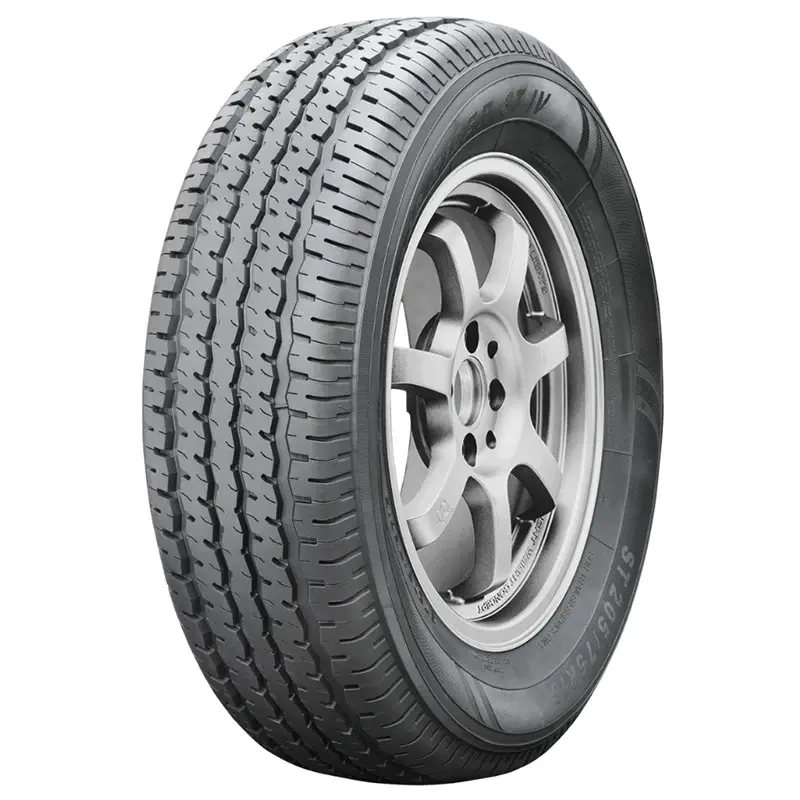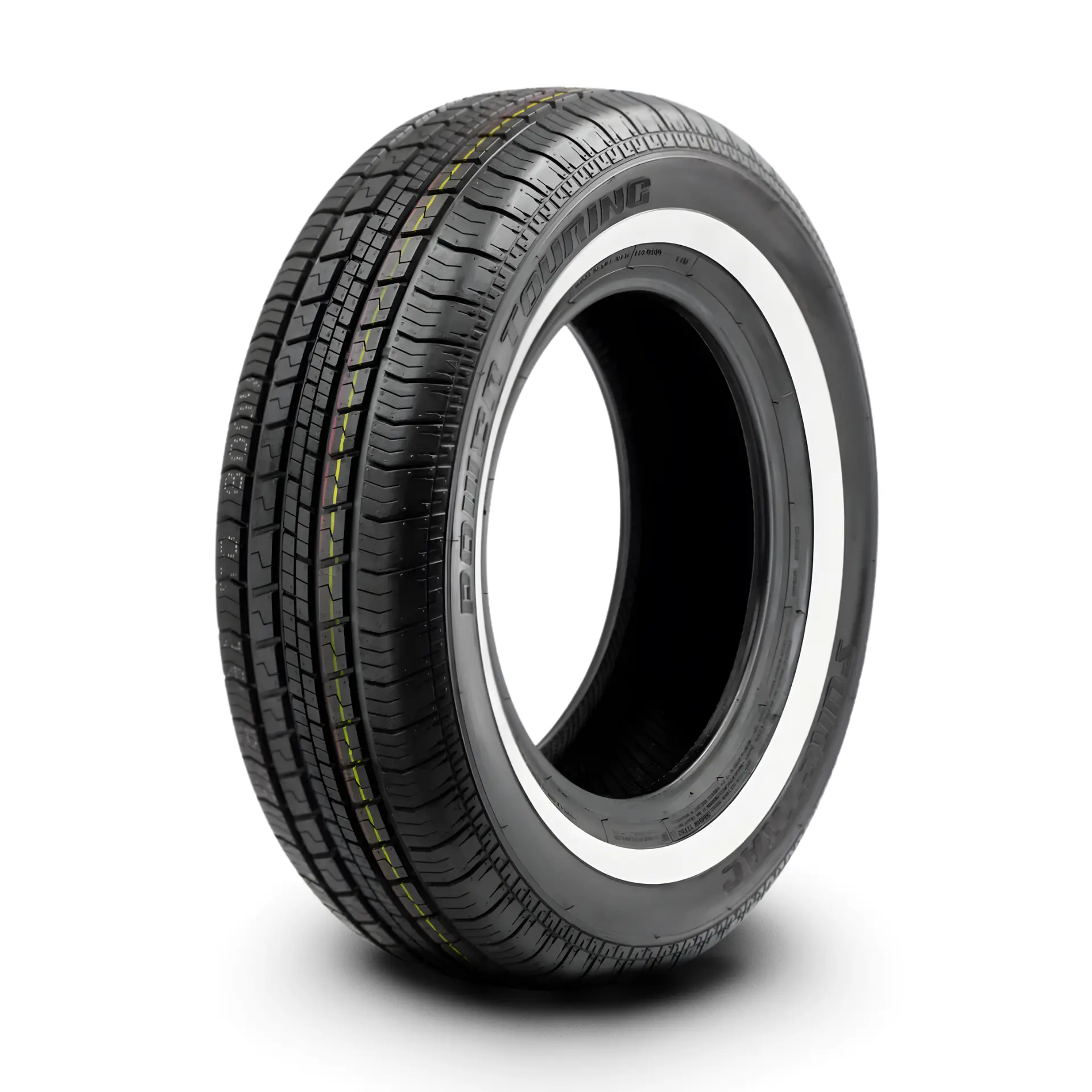
All-season tires remain the default choice for many Canadian drivers because they offer the broadest mix of comfort, tread life, fuel efficiency and wet-road stability in one package. They are built for drivers who want one set of tires to handle spring rain, summer highway trips and cool fall mornings without the sharper tradeoffs of dedicated summer or winter compounds. If your goal is practical daily driving rather than extreme seasonal specialization, an all-season tire is usually where the conversation starts.
That does not mean every all-season tire behaves the same way. Some lean toward comfort and long treadwear for commuters covering serious highway mileage. Others prioritize wet braking, steering response or lower rolling resistance. The difference often shows up in tread pattern density, shoulder block design, siping and compound tuning. A quality all-season should feel quiet and composed on rough pavement while still maintaining predictable grip in sudden rain. For Canadian drivers, that wet-weather confidence matters almost as much as summer durability because shoulder seasons can be long and inconsistent.
It is also important to set expectations correctly. A traditional all-season tire is designed for moderate year-round use, not severe winter performance. In much of Canada, especially where snow, freezing rain and sustained sub-zero temperatures are common, dedicated winter tires are still the safer option for the coldest months. However, all-season tires make sense for many applications: warmer regions, secondary vehicles, drivers with lower annual mileage, or anyone comparing replacement options for spring through fall use. They are often the most cost-efficient way to keep a vehicle comfortable and responsive without overbuying for conditions you rarely see.
When evaluating an all-season setup, start with fitment basics. Match the OE size unless you have a specific reason to change width or sidewall height, confirm the load index suits the vehicle, and pay attention to the speed rating if you spend a lot of time on the highway. Crossovers and SUVs may benefit from all-season tires tuned for heavier loads and longer wear, while compact cars can often prioritize ride quality and wet traction. If you are shopping wheels at the same time, alloy options can help balance looks, weight and corrosion resistance for daily use.
Use this guide as a foundation, then compare winter or performance tires according to how your vehicle is driven. The related guides below explain sidewall measurements, load ratings, date codes and tire sizing language that often confuses first-time buyers. Confirm the correct size, load capacity and intended use before choosing a replacement.
Related all-season research
- Tire Load Ratings Guide — Understand why load index matters.
- Tire Aspect Ratio Guide — Learn how sidewall height changes ride and handling.
- Tire Section Width Guide — See how width affects fitment and feel.
- Tire Date Code Guide — Check manufacturing date before buying.
- TPMS Guide — Pressure-monitoring basics for wheel and tire replacements.
Frequently asked questions
Are all-season tires good enough for Canadian winters?
For light winter conditions they may be manageable, but in most Canadian regions dedicated winter tires provide better cold-weather grip, braking and control once temperatures fall below 7°C.
How long do all-season tires usually last?
Tread life varies by compound, alignment, driving habits and mileage, but many all-season tires are designed to deliver long wear for daily commuting and highway use.
What should I prioritize in an all-season tire?
Most drivers should focus on wet traction, ride comfort, tread life, proper load rating and fitment. The best all-season tire is the one that matches how your vehicle is actually driven.
Can I switch from OEM tires to a different all-season brand?
Yes, as long as the replacement tire matches the correct size, load capacity and intended use for your vehicle. Brand choice depends on budget, performance goals and availability.