
Ontario Road Conditions (2026): What Potholes & Salt Do to Tires
I've been distributing tires and wheels across Eastern Ontario for over a decade. I can tell you exactly which roads destroy tires, which conditions to watch out for, and what you can do to protect your investment.
Ontario roads aren't just rough — they're uniquely damaging in specific ways that drivers in other parts of North America don't deal with. Understanding those conditions helps you make smarter tire and wheel choices.
The Freeze-Thaw Cycle: Ontario's Defining Challenge
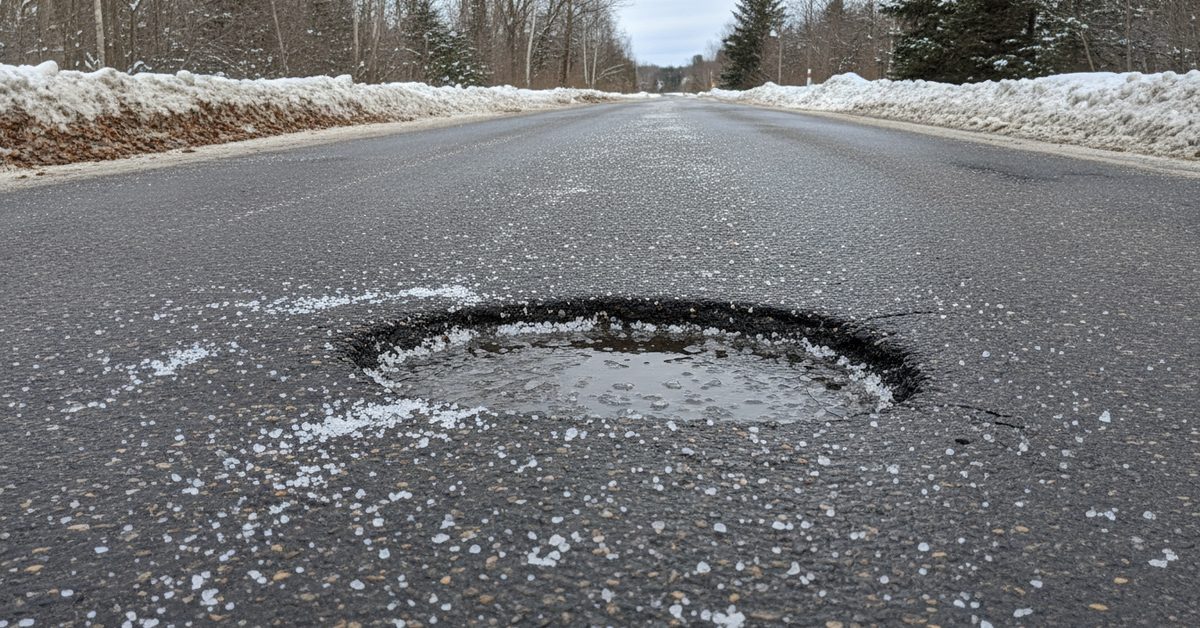
Southern Ontario doesn't have the sustained deep freeze of Winnipeg or Edmonton. What we have is worse for roads: repeated cycles above and below freezing throughout winter.
Here's what happens:
- Rain or meltwater seeps into road cracks
- Temperature drops below freezing overnight
- Water expands as it freezes, blowing out chunks of asphalt
- Traffic pounds the weakened areas
- Potholes form — sometimes overnight
The result is a road surface that's constantly changing from November through April. Fresh potholes appear after every freeze-thaw cycle, and they stay until the municipal road crews can patch them — which, in busy areas, can take weeks.
What This Means for Your Tires
Sidewall vulnerability: When you hit a pothole, the tire sidewall compresses against the rim. The sharper the pothole edge, the more concentrated the force. A tire sidewall isn't designed to take that kind of impact — it's designed to flex and absorb road irregularities, not sharp vertical drops.
The bubble: When a tire hits a severe pothole, the internal belt can separate from the carcass, creating a bubble in the sidewall. This is structural damage — the tire is no longer safe and must be replaced.
Bent rims: Alloy wheels are particularly vulnerable. When the tire compresses against the rim, the rim lip can crack or bend. Steel wheels are more forgiving — they bend rather than crack, and can often be repaired.
Road Salt: The Hidden Tire and Wheel Killer
Ontario municipalities apply thousands of tonnes of salt and liquid brine to roads every winter. It's necessary for safety, but it's brutal on your wheels and tires.
What Salt Does
Corrosion: Salt accelerates oxidation of metal components. On alloy wheels, it eats through clear coats and pits the aluminum surface. On steel wheels, it causes surface rust.
Bead seat damage: Salt can work its way between the tire bead and the rim, causing slow leaks. This is particularly common with alloy wheels where the bead seat is aluminum.
TPMS sensor damage: The salt gets into the valve stem area and corrodes TPMS sensors. A failed TPMS sensor is often a $60–$100 replacement cost.
Protection Strategies
Wash your wheels regularly in winter: A quick rinse after driving on heavily salted roads removes salt before it can do damage. Even a spray from a self-serve car wash helps.
Use steel wheels for winter: This is the single best protection strategy. A dedicated set of steel wheels for winter costs $200–$400 and takes the salt abuse so your nice alloy wheels don't have to. See the full guide for details.
Apply wheel sealant: Before winter, apply a ceramic coating or wheel sealant to your alloy wheels. It creates a barrier that makes salt easier to wash off and reduces corrosion.
Highway Chip Seal: The 400-Series Reality
The 400-series highways around Toronto — the 401, 403, 407, 410, and others — use chip seal surface treatments. This is a layer of asphalt with aggregate chips embedded in it, rolled flat.
It's cost-effective for the MTO, but it's rough on tires.
Chip Seal Effects
Accelerated wear: The abrasive surface wears tread faster than smooth asphalt. A tire that might last 80,000 km on city streets might last 60,000 km with heavy 401 commuting.
Increased noise: Chip seal generates more road noise than smooth pavement. For drivers doing significant highway miles, tire noise rating matters more in Ontario than in jurisdictions with smoother highways.
Heat buildup: The rougher surface generates more heat in the tire. Not enough to cause immediate problems, but it contributes to faster compound degradation over time.
Spring Pothole Season: April to May
Spring is actually the worst time for potholes. The freeze-thaw cycles of late winter have created the damage, and the snow has melted to reveal it — but the road crews haven't caught up yet.
Tire Pressure Matters More in Spring
Underinflated tires are more vulnerable to pothole damage. When a tire is underinflated, the sidewall has less structural support. Hitting a pothole with a soft tire causes more sidewall compression and a higher risk of damage.
Check your tire pressure weekly during pothole season. The TPMS light might not come on until you're 5+ PSI below spec — which is already in the damage zone.
See the TPMS guide for proper monitoring procedures.
Sidewall Bulge: What It Means
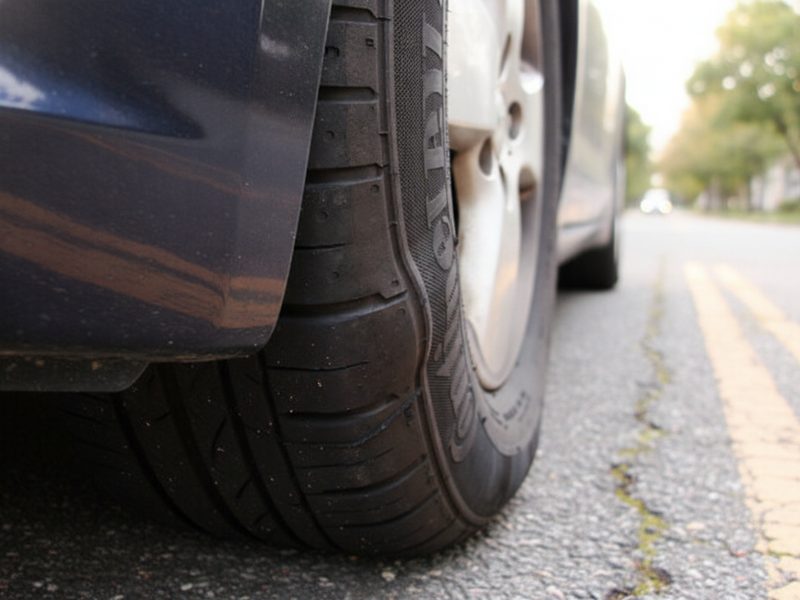
A sidewall bulge or bubble is one of the most common tire issues we see in Ontario. It looks like a lump on the sidewall, usually after hitting a pothole.
What causes it: Internal damage to the tire carcass. The cords that give the tire structure have separated from the rubber, and air is pushing the rubber outward.
Is it dangerous: Yes. A bulged sidewall is a tire failure waiting to happen. At highway speed, that bulge can rupture, causing rapid deflation.
Can it be repaired: No. Sidewall damage is not repairable. The tire must be replaced.
Protecting Alloy Wheels from Salt
If you insist on running alloy wheels in winter (some vehicles don't have steel wheel options), here's how to minimize damage:
- Apply ceramic coating or wheel sealant before winter
- Wash wheels every 2–3 weeks during salt season
- Touch up any chips immediately — bare aluminum corrodes fast
- Check for bead seat leaks — if you're losing a few PSI per week, salt may be interfering with the seal
- Store alloys properly in summer — clean and dry in a climate-controlled space
How to File a Pothole Damage Claim in Ontario
If your tire or wheel is damaged by a pothole on a provincial highway (400-series), you can file a claim with the Ontario Ministry of Transportation:
- Document everything — photos of the damage, photos of the pothole, location, date, time
- Get repair estimates — for the tire/wheel replacement
- File a claim within 10 days — the MTO has strict time limits
- Submit through the MTO website or contact your local MTO office
The reality: The MTO denies most claims. They typically argue that they didn't have "reasonable opportunity" to repair the pothole. But if the pothole was reported previously and not fixed, you have a better case.
For municipal roads (city streets), contact the municipality directly. Each city has its own claims process.
The Bottom Line
Ontario roads are hard on tires and wheels. The combination of freeze-thaw cycles, road salt, and chip-seal highways creates a uniquely demanding environment.
Protection strategies:
- Run steel wheels in winter
- Maintain proper tire pressure
- Wash wheels regularly during salt season
- Watch for sidewall damage after pothole strikes
- Drive defensively in spring pothole season
Your tires and wheels will last longer, and you'll avoid the unpleasant surprise of a blowout or a damaged alloy wheel.
Brian Barber
Automotive experts at Autrex providing in-depth guides on tires, wheels, and vehicle maintenance to help you make informed decisions.
Related Articles
Fall Tire Prep in Canada (2026): When to Get Winter Tires Ready
Fall tire prep guide: when to book winter tire appointments, inspect stored tires, and plan your budget. Get ahead before the October rush.
Summer Car Prep Checklist (2026): Post-Winter Tires, Brakes & Suspension
Summer car prep checklist: post-winter tire inspection, brake check, suspension inspection, and road trip readiness for Canadian drivers.
How to Choose Winter Tires in Canada: The Complete Buyer's Guide
How to choose winter tires in Canada: 3PMSF certification, studded vs studless, sizing down, and the 7°C rule. Complete buyer's guide for 2026.