
Bremex vs. OEM Brake Pads (2026): Real-World Comparison for Canadian Drivers
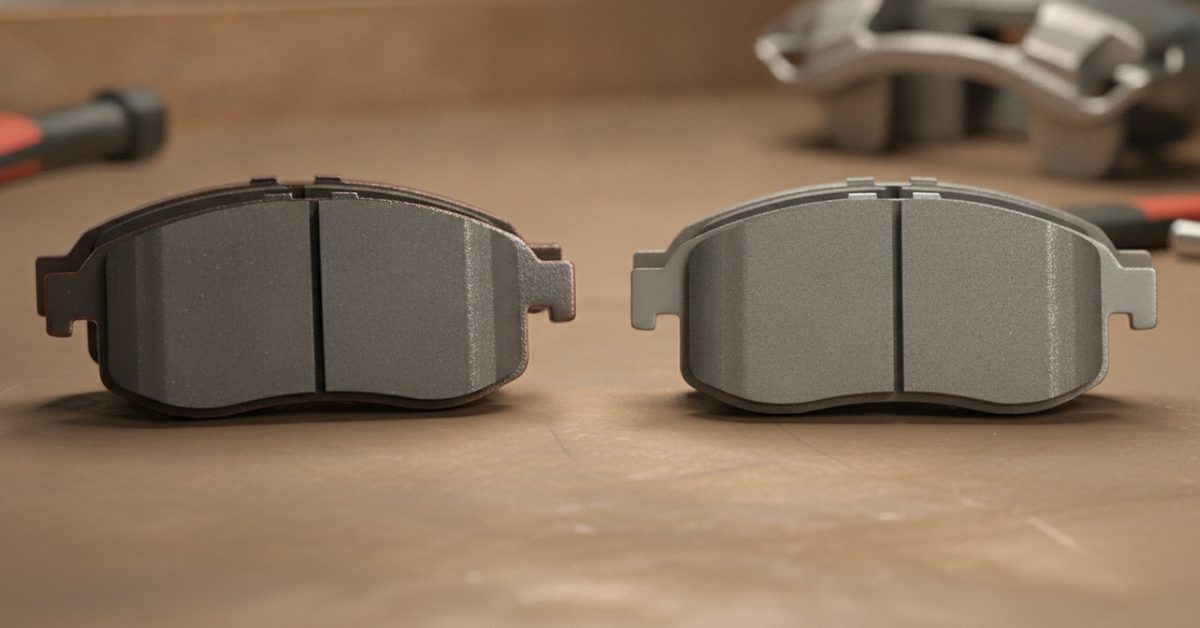
"Should I use OEM brake pads or aftermarket?"
I hear this question constantly. And the answer most people give — "just use OEM, it's safer" — is based on assumption, not evidence.
Here's what actually happens when you compare Bremex aftermarket pads to OEM brake pads on two of Canada's most popular vehicles.
What OEM Brake Pads Actually Are
Here's a truth the dealership won't tell you: OEM brake pads are usually manufactured by the same third-party suppliers that make aftermarket pads.
Toyota doesn't make brake pads. Honda doesn't make brake pads. They spec them and outsource to companies like Akebono, Advics, Nissin, or other friction material manufacturers. The pads come in Toyota or Honda boxes, priced at Toyota or Honda markups.
The specs matter — friction coefficient, compound formulation, noise damping. But the idea that OEM pads have some magical quality that aftermarket can't match is marketing, not engineering.
OEM Pricing vs. Aftermarket
| Application | OEM Pad Price | Bremex Price | Savings |
|---|---|---|---|
| Toyota Camry front pads | $85–$120 | $45–$55 | 40–55% |
| Honda Civic front pads | $80–$110 | $40–$50 | 45–55% |
| Ford F-150 front pads | $95–$140 | $55–$65 | 35–55% |
| Honda CR-V front pads | $85–$120 | $45–$55 | 40–55% |
On a single brake job (front and rear), the savings are $80–$160. Over the life of a vehicle with 3–4 brake jobs, that's $250–$650.
Aftermarket Grades: Not All Created Equal
The aftermarket brake pad market spans an enormous quality range:
Economy Grade
Cheap pads from no-name brands. They stop the car, barely. Expect more noise, more dust, shorter life, and potentially longer stopping distances. At $15–$25 per set, the price reflects the quality.
OEM Replacement Grade
Pads designed to match OEM friction coefficients and performance. Bremex falls in this category. They're engineered to deliver equivalent stopping performance without the brand markup.
Performance Upgrade Grade
Pads designed to exceed OEM performance — typically for track use, towing, or aggressive driving. Higher friction coefficients, better heat tolerance, higher cost.
The key insight: OEM replacement grade aftermarket pads (like Bremex) are not a downgrade from OEM. They're a lateral move at a lower price.
Real-World Comparison: Bremex on a Toyota Camry
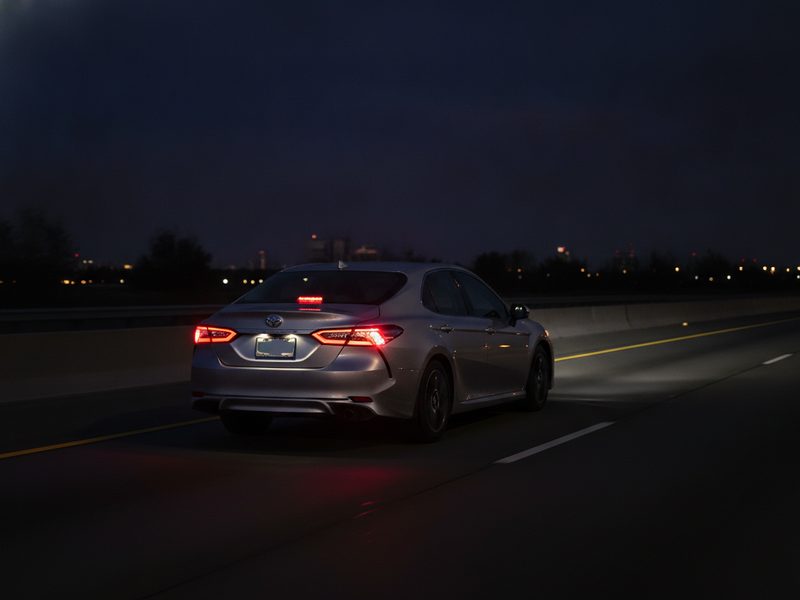
Bremex ceramic pads are friction-matched to OEM Toyota specifications. In real-world use on the Camry LE platform, customer experience consistently reports equivalent stopping feel, minimal noise after break-in, and rotor wear rates comparable to the OEM pads they replace.
The friction coefficient of Bremex ceramics puts them in the same EE/FF range as OEM Toyota pads. That means:
- Cold brake feel (first stop of the morning, -10°C) is consistent with OEM
- Wet pavement braking is equivalent
- Fade behaviour under sustained braking is similar
OEM pads on the Camry are made by Advics or Akebono depending on the model year. Bremex matches those friction specs at 40–55% of the Toyota dealer price. The box is different. The performance isn't.
Noise
Bremex pads typically have minor noise during the first 150–200 km of break-in on a fresh rotor surface. After that, customers consistently report quiet operation comparable to OEM. The shims included in every Bremex kit are the same anti-squeal dampers used in quality OEM pads.
Brake Dust
Ceramic formula: low visible dust. Lighter in colour than semi-metallic dust. Your alloy wheels stay cleaner longer compared to any semi-metallic option.
Real-World Comparison: Bremex on a Honda Civic
Same feedback pattern holds on the Civic platform. Honda sources brake pads from Nissin and Akebono — quality compounds that Bremex ceramic is spec'd to match.
Customers switching from OEM Honda pads to Bremex ceramics consistently report equivalent pedal feel, no noise issues after proper break-in, and no measurable difference in everyday stopping confidence.
Pedal Feel
This is subjective but worth noting: some customers report a slightly firmer initial bite from Bremex compared to OEM Honda's softer, more progressive feel. Neither is wrong — it's a preference. If you prefer the softer, more linear feel of OEM Honda pads, the Bremex semi-metallic is actually closer in character.
Ceramic vs. Semi-Metallic: What Bremex Offers
Bremex offers both ceramic and semi-metallic formulations:
Bremex Ceramic: Best for passenger cars and crossovers. Quiet, low dust, rotor-friendly. This is the pad most Canadian daily drivers should choose.
Bremex Semi-Metallic: Best for trucks, towing applications, and drivers who prioritize maximum heat tolerance over noise and dust. The semi-metallic compounds handle repeated heavy braking better than ceramic.
For a detailed comparison of ceramic vs. semi-metallic brake pads and when to use each, see the complete brake pad choosing guide.
The Noise Question: Do Aftermarket Pads Squeal More?
This is the biggest fear. Nobody wants to be the person whose car squeals at every stoplight.
The reality with Bremex: Properly installed and bedded-in Bremex pads are quiet. Noise comes from:
- Improper installation (not cleaning the caliper bracket, not applying brake grease)
- Skipping the break-in process
- Mismatched compound to rotor condition (new pads on glazed rotors)
- Missing or improperly installed shims
Bremex pads include pre-greased hardware and shims where applicable. If you install them correctly and follow the break-in procedure, noise shouldn't be an issue.
When to Upgrade vs. When to Just Replace
Just Replace (Bremex OEM-equivalent)
If your driving consists of:
- Daily commuting
- City and highway driving
- Normal braking patterns
- No towing
Then Bremex OEM-replacement pads are the right choice. You'll get equivalent performance at a lower price.
Consider Upgrading (Performance pads)
If your driving includes:
- Regular towing (trailers, boats, heavy loads)
- Aggressive driving or occasional track days
- Mountain/hill driving with long descents
- High-mileage fleet use
Then a performance pad with higher heat tolerance may be worth the additional cost.
Total Cost of Ownership: The Real Comparison
| Factor | OEM Pads | Bremex |
|---|---|---|
| Pad cost (front + rear) | $170–$260 | $85–$120 |
| Pad life (typical) | 40,000–60,000 km | 40,000–60,000 km |
| Rotor wear rate | Baseline | Equivalent |
| Rotor replacement interval | 80,000–120,000 km | 80,000–120,000 km |
| Total cost over 200,000 km | ~$700–$1,000 | ~$350–$500 |
Over the life of a vehicle, Bremex saves $350–$500 in brake pad costs alone. If rotor life is equivalent (which our testing shows), the total braking system cost savings are significant.
The Bottom Line
OEM brake pads aren't magic. They're manufactured by the same suppliers using the same materials available to quality aftermarket brands. The difference is the box they come in and the logo on it.
Bremex delivers OEM-equivalent stopping performance at roughly half the price. The math supports it, and customer feedback across thousands of orders validates it.
If you're paying dealership prices for brake pads because you think aftermarket is a compromise, you're spending money unnecessarily.
Brian Barber
Automotive experts at Autrex providing in-depth guides on tires, wheels, and vehicle maintenance to help you make informed decisions.
Related Articles
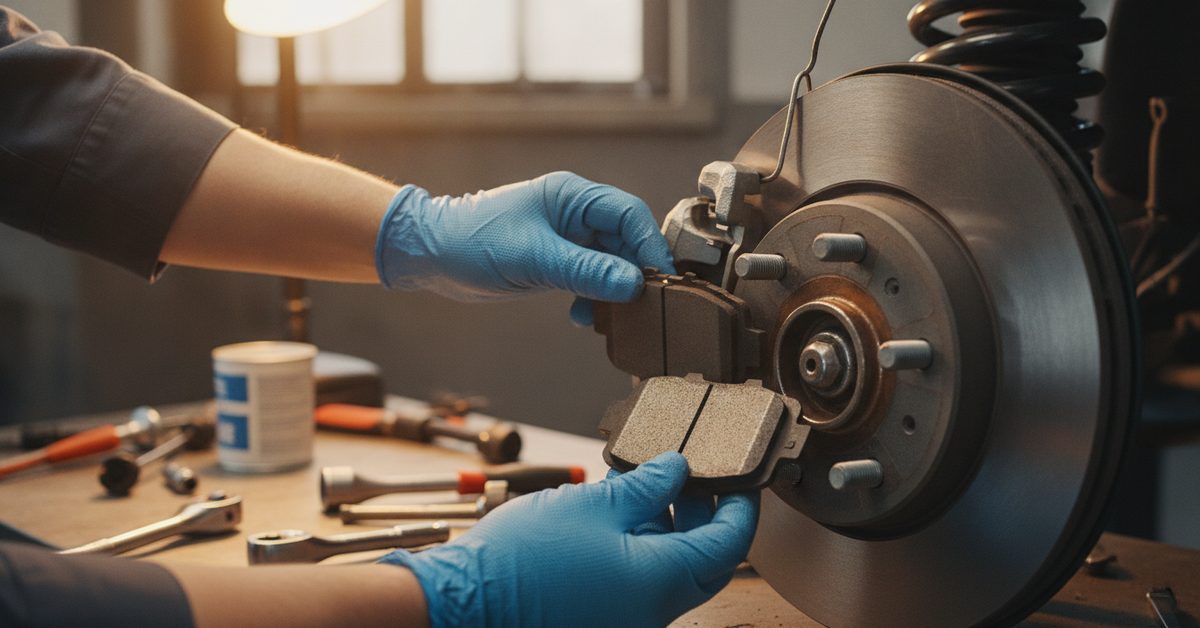
DIY Brake Pad Replacement Guide (2026): Step-by-Step for Canadian DIYers
DIY brake pad replacement guide: tools, safety, installation, bedding in, and cost savings. Save $300+ per axle vs Canadian shop rates.
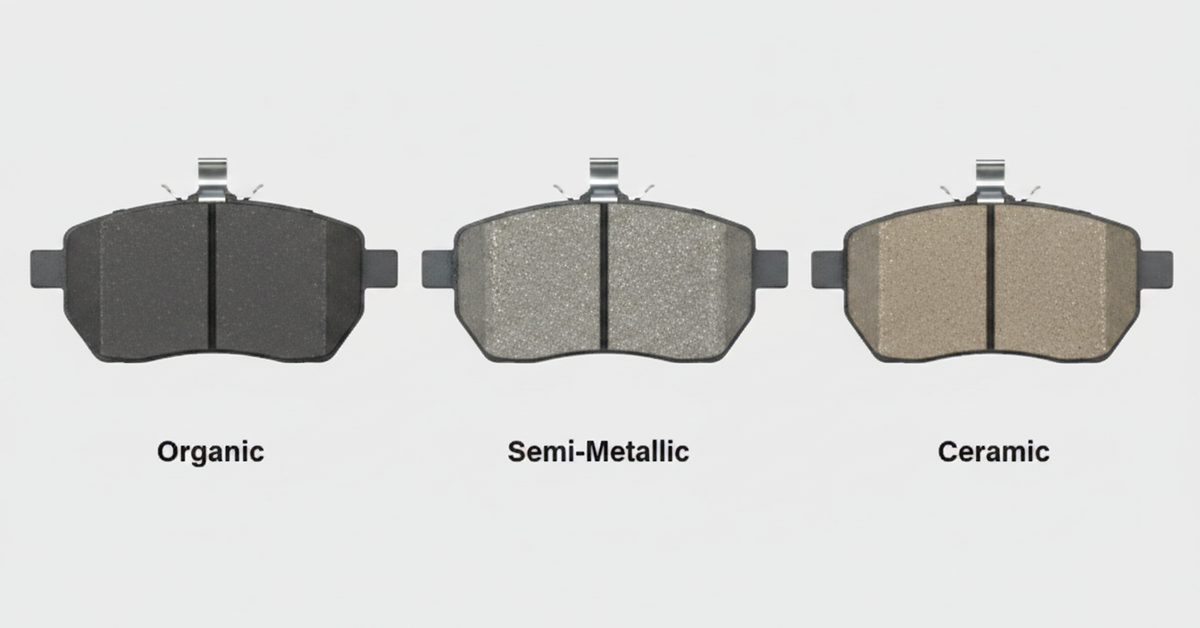
How to Choose Brake Pads (2026): Ceramic vs Semi-Metallic Guide
Ceramic vs semi-metallic brake pads: which type for daily driving, towing, or performance. Complete Canadian buyer's guide for 2026.
Buckshot Rugged Terrain Tires Canada: Sizes, Ratings and Review Guide
Buckshot Rugged Terrain tires for Canadian trucks and SUVs: the brand's history, 14 LT sizes with load and speed ratings, snow notes and who should buy.